

Who Pays for What at a Wedding: A Comprehensive Guide
Are traditional wedding expense rules still relevant today? With the average cost of a wedding in the United States being around $33,000, according to The Knot’s 2022 Real Weddings Survey, the financial burden can be overwhelming.
Traditionally, the bride’s family has been expected to cover the majority of the expenses. However, modern couples are now redefining these norms based on their individual circumstances and preferences.
This comprehensive guide will explore the evolution of wedding financial responsibilities, cultural variations, and provide practical advice for couples planning their special day.
By understanding the historical context and modern approaches to sharing wedding expenses, couples can make informed decisions that suit their unique situation.
Traditional Wedding Payment Etiquette
For centuries, wedding costs have been split based on traditional etiquette. Each family has a specific role in paying for the wedding. Knowing these customs is key for couples planning their big day.
The tradition of splitting wedding costs comes from history and social norms. Historically, the division of expenses showed a family’s financial status and social standing.
Historical Background of Wedding Expenses
The history of wedding expenses is rich and varied. In the past, weddings were seen as family events, with the bride’s family usually paying most of the bills. They covered costs like the ceremony, reception, and other wedding events.
The Bride’s Family’s Traditional Responsibilities
The bride’s family traditionally pays for most wedding expenses. This includes the wedding planner, invitations, dress, and more. The bride’s family has always been expected to cover most of the costs.
The Groom’s Family’s Traditional Responsibilities
The groom’s family pays for the rehearsal dinner and other specific costs. In some cases, they may also help with other wedding expenses. Knowing these roles helps couples and their families plan the wedding’s finances.
Wedding Who Pays for What at a Wedding: Modern Approaches
Today, couples are changing how they handle wedding costs. They’re moving away from old ways and finding new, flexible methods to manage expenses.
Couples Paying for Their Own Weddings
One big trend is couples paying for their own weddings. This lets them control their budget and plan their big day exactly how they want. Surveys show more couples are choosing to pay for their weddings themselves, wanting more say in their wedding.
Benefits include being able to spend money on what they really want. But, it also means they have to handle a big financial load. This can affect their savings and future plans.
Splitting Costs Between Both Families
Another modern way is to split costs with both families. This way, everyone helps out and feels included. It’s a way to share the cost and work together.
Effective communication is crucial here. It makes sure everyone is okay with what they’re spending. It’s a way to keep family involved while dealing with today’s financial realities.
Mixed Approaches Based on Financial Situations
Many couples mix things up, dividing costs based on who can afford what. This flexible method fits each family’s financial situation. It’s a way to make wedding costs work for everyone involved.
By being flexible and communicative about wedding costs, couples can handle money matters in a way that’s both respectful and personal.
Pre-Wedding Expenses Breakdown
The path to marriage includes many pre-wedding events, each with its own costs. It’s key for couples and their families to understand these expenses when planning and budgeting for the big day.
Engagement Party and Ring Costs
The engagement party is usually hosted by the bride’s family. It celebrates the couple’s engagement. But, the engagement ring is often paid for by the groom or the couple themselves. Today, some couples might split or cover these costs themselves.
The cost of the engagement party can vary, from small to big. The engagement ring’s price is a joint decision, influenced by personal taste and budget.
Bridal Shower and Bachelor/Bachelorette Parties
The bridal shower is hosted by the maid of honor or bridesmaids. While hosts usually pay, modern couples might chip in or cover costs themselves. Bachelor/bachelorette parties also have varying costs, based on planned activities.
These parties are a time for friends and family to celebrate the couple’s last days as singles. Today, couples often share or take on these costs, reflecting changing financial and social norms.
Rehearsal Dinner Financial Responsibilities
The rehearsal dinner is hosted by the groom’s family the night before the wedding. It’s a chance for both families to bond before the big day. The hosts usually pay for the dinner, including venue, food, and drinks.
But, modern couples might also contribute to or cover these costs. This is especially true if they’re paying a lot for the wedding or have specific dinner preferences.
Wedding Day Expense Allocation
Planning the expenses for the wedding day can be tricky. It includes costs like ceremony and reception, attire, and beauty. Traditionally, the bride’s family used to pay for most of it. But now, couples are taking on these costs themselves or splitting them.
Ceremony Costs
The ceremony is a big part of the wedding. Its costs vary based on the venue, officiant, and more. There are several parts to the ceremony costs.
Venue, Officiant, and Marriage License
The venue, officiant, and marriage license are key. Venue costs can be from a few hundred to thousands of dollars. Officiant fees range from $200 to $500. Marriage licenses cost between $50 to $100.
Décor and Music
Décor and music add to the ceremony costs. Decor costs include flowers and candles. Music costs might be for a musician or a sound system. These can cost from a few hundred to thousands of dollars.
Reception Expenses
The reception is another big part of the wedding. Its costs can be high. Reception expenses include venue, food, drinks, entertainment, and decorations.
Venue, Food, and Beverages
Reception venue costs vary a lot. Food and drinks can also be expensive. Costs can be from $50 to $200 per person, depending on the event.
Entertainment and Decorations
Entertainment and decorations add to the reception costs. Entertainment might be a DJ or band. Decor costs include flowers and lighting. These can cost from a few hundred to thousands of dollars.
Attire and Beauty Expenses
Attire and beauty expenses for the wedding party are significant. These include the wedding dress, groom’s attire, and beauty for the bride and bridesmaids.
Wedding Dress and Accessories
The wedding dress is a big expense for the bride. Costs can range from a few hundred to thousands of dollars. Accessories like veils and jewelry add to the cost.
Groom’s Attire and Wedding Party Clothing
The groom’s attire and the wedding party’s clothes are also expensive. Costs can range from a few hundred to thousands of dollars. It depends on the wedding’s size and complexity.
In conclusion, planning the wedding day expenses needs careful thought. It includes ceremony, reception, attire, and beauty costs. Understanding these costs helps couples plan their wedding and stay within their budget.
Navigating Financial Conversations for Your Wedding
Talking about wedding costs with family and partners can be tough. But, it’s key to be open and honest. This helps you make smart choices about your wedding budget.
Think about your money situation, cultural beliefs, and what you both want. Talking openly about money helps avoid confusion. It makes sure everyone agrees on the budget.
Start by making a detailed wedding budget. List all the costs and how you plan to pay for them. This way, you can see where you can cut costs and use your money wisely.
Being clear about your financial plans can prevent fights. It makes planning your wedding more fun for everyone.
FAQ
Who traditionally pays for the wedding?
Traditionally, the bride’s family pays for the wedding. This includes the ceremony, reception, and her attire. But, today, many couples share the costs or take on more themselves.
What are the typical pre-wedding expenses and who pays for them?
Pre-wedding costs include parties like engagement and bridal showers. The bride’s family usually hosts the bridal shower. The groom’s family pays for the rehearsal dinner.
Engagement and bachelor/bachelorette parties can be split or covered by the hosts.
How are wedding day expenses typically allocated?
Wedding day costs include the ceremony, reception, and attire. Traditionally, the bride’s family pays for these. The groom’s family covers the rehearsal dinner.
The bride pays for her own dress and beauty. The groom pays for his attire.
Can couples pay for their own weddings?
Yes, many couples now pay for their weddings or contribute a lot. This gives them control over their budget and choices.
How can couples navigate financial conversations with their families?
Couples should talk openly with their families about money. Discussing expectations and budgets is key. A detailed budget breakdown helps everyone understand costs.
What are some tips for creating a wedding budget breakdown?
Start by listing all wedding expenses. This includes pre-wedding events, the ceremony, reception, and attire. Then, divide your budget among these areas based on what’s most important to you.
How can couples handle potential conflicts or disagreements about wedding expenses?
Talk openly with each other and your families about money. Understanding everyone’s financial situation and priorities helps find a solution. This way, everyone can agree on the wedding costs.

My name is Janet Barton, and I am proud to be the owner of MCC Wedding Invitations. My mission is to create beautiful, personalized and affordable wedding invitations that are accessible to everyone.
I understand that weddings are expensive, and that’s why I am committed to offering affordable invitations. My price includes not only designing and printing your invitation, I also design and print your insert cards at no extra cost. And I include matching envelopes!
I believe everyone deserves a beautiful wedding invitation, regardless of their budget. My commitment to quality and affordability has earned me over 200 Google 5-Star ratings from brides I have worked with across the country.
So, whether you’re planning an intimate backyard wedding or a grand event center affair, I have a design that will suit your needs and your budget. Give me a call at (801) 491-6931 and let me help you on this journey to create a beautiful and unforgettable wedding invitation that won’t break your bank.
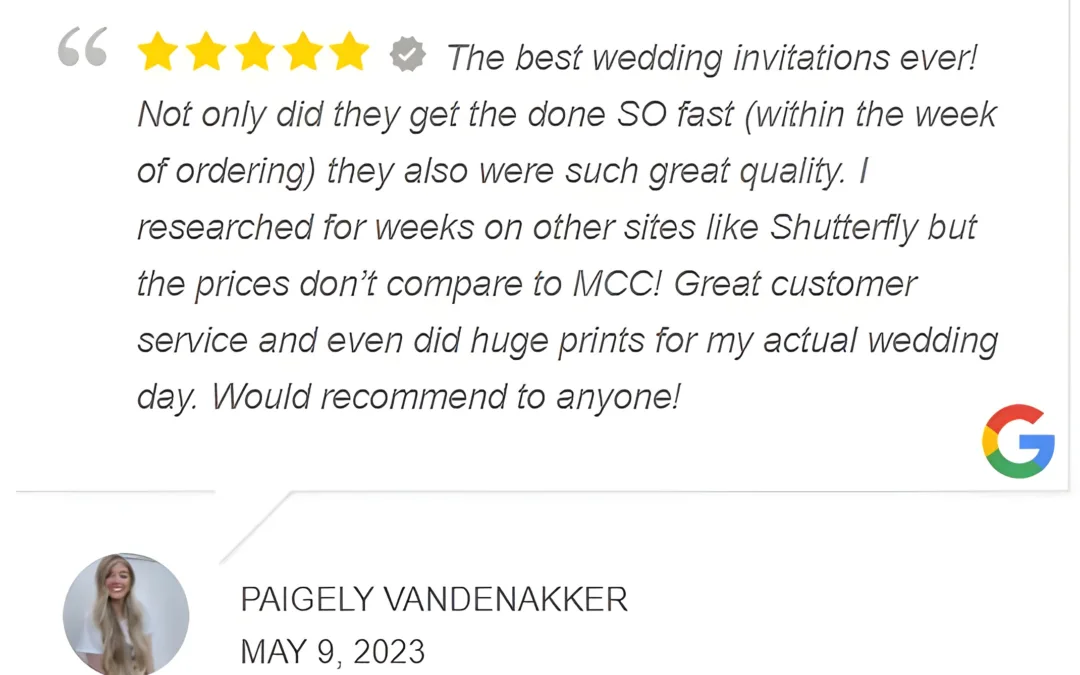
What Brides Want in Wedding Invitations: 7 Lessons From 347 Real Reviews
A Mapleton, Utah print shop read all 347 customer reviews. Here are the 7 things brides say matter most in wedding invitations.

When to Order Wedding Invitations: Etsy Printing Timeline
Learn when to order wedding invitations, collect addresses, approve your proof, and mail everything on time—even if your wedding is only weeks away.
How to Print Canva Wedding Invitations Without Mistakes
Learn how to print Canva wedding invitations with clear photos, correct bleed, and suitable paper. Get a free file check before ordering.

LDS Wedding Luncheon Planning: A Simple Guide for Families
LDS Wedding Luncheon Planning Tips for Families The sealing is over. You walk out of the temple as husband and wife, blinking in the sunlight, your...

LDS Wedding Reception Ideas on a Budget
LDS Wedding Reception Ideas on a Budget Planning an LDS wedding reception can feel exciting and overwhelming at the same time. You may have the...

How to Word LDS Wedding Invitations
How to Word LDS Wedding Invitations with a Temple Sealing Insert Wording LDS wedding invitations can feel a little tricky at first, especially when...

LDS Temple Sealing Timeline for Brides
LDS Temple Sealing Timeline: What Brides Should Know Planning your LDS temple sealing timeline can feel a little confusing at first. You may know...

LDS Wedding Checklist: What to Plan First
LDS Wedding Checklist: What to Plan First After You Get Engaged Getting engaged is such a sweet, exciting time. One minute you are staring at your...

How to Plan an LDS Wedding on a Budget
How to Plan an LDS Wedding on a Budget Without Feeling Overwhelmed Planning an LDS wedding on a budget can feel exciting one minute and completely...

Where to Print Canva Wedding Invitations in Spanish Fork (Local Bride’s Guide)
Where to Print Canva Wedding Invitations in Spanish Fork Have you already designed your wedding invitations in Canva… and now you’re stuck wondering...